

It's 2 AM. Your phone buzzes. Someone's posting gore in #general again.
You stumble out of bed, half-asleep, delete the images, ban the account, and try to fall back asleep knowing that in six hours you'll do it all over again. Maybe tomorrow it's a porn bot. Maybe it's a coordinated raid from some forum that thinks your community is an easy target.
This is the reality for volunteer Discord moderators, and it's slowly destroying them.
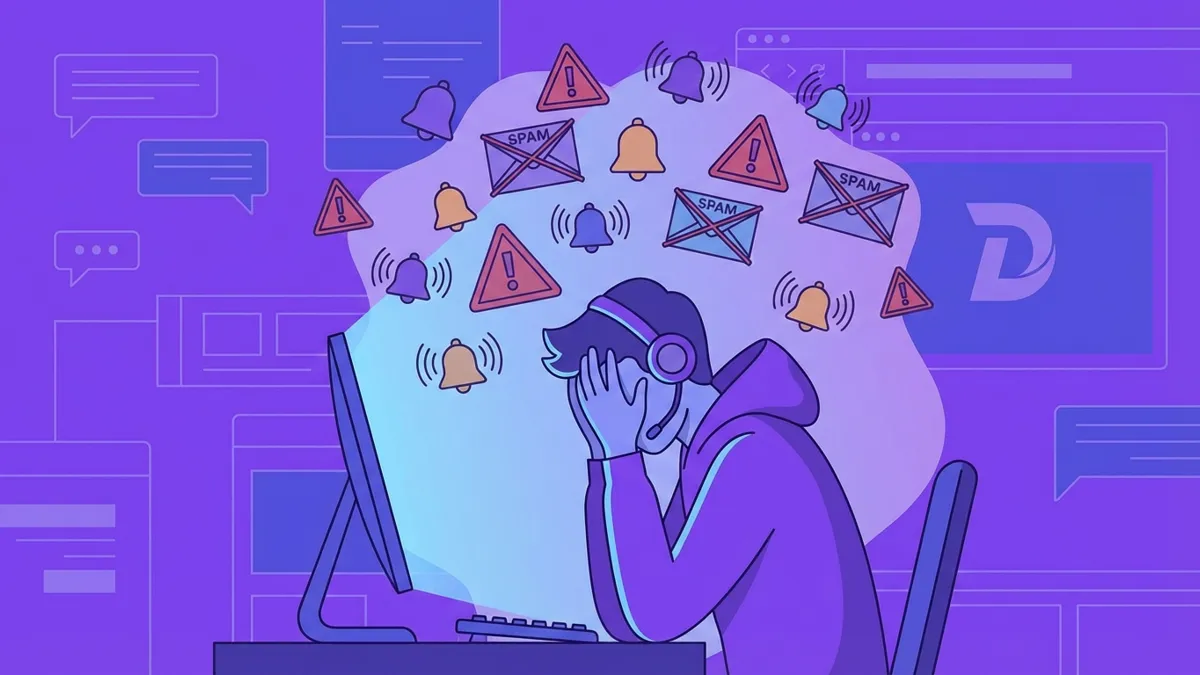
The Hidden Cost of Manual Moderation
Running a Discord server sounds fun until you're responsible for keeping hundreds—or thousands—of people safe. What starts as a passion project quickly becomes an unpaid second job with terrible hours.
The math doesn't work in your favor. A single moderator can only respond to problems after they happen. By the time you've seen the NSFW spam, deleted it, and banned the account, twenty members have already seen something they shouldn't have. Some might be minors.
And it's not just the disturbing content. It's the relentlessness. The constant vigilance. The knowledge that if you take a day off, something bad will probably happen.
Signs Your Moderators Are Burning Out
Burnout doesn't happen overnight. It creeps in slowly, and by the time you notice, the damage is done. Here's what to watch for:
They're always online but never engaging. They used to chat and joke around. Now they just lurk, waiting for the next problem.
Response times are getting slower. Not because they're lazy—because they're exhausted and dreading another incident.
They're becoming harsher. A burnt-out mod starts seeing every minor rule violation as a major offense. Patience evaporates when you're running on empty.
They're going quiet. They stop bringing up concerns in mod chat. They stop suggesting improvements. They've checked out emotionally while still going through the motions.
They quit without warning. One day they're handling everything. The next day you get a two-line message saying they need to "step back for a while."
Why Manual Moderation Doesn't Scale
Here's the uncomfortable truth: you cannot hire your way out of this problem.
A 10,000-member server might have 500+ active users at peak hours. If just 1% of messages need review, that's constant work. And that's during normal activity—not during a raid when hundreds of messages flood in per minute.
Human moderators have biological limits. They need sleep. They get sick. They have jobs, families, and lives outside Discord. Meanwhile, bad actors operate 24/7 and actively look for times when your mods are offline.
The traditional solution—add more moderators—just spreads the trauma across more people without solving the fundamental problem. You're still relying on humans to see disturbing content, process it, and respond.
How Automation Actually Helps
Let's be clear: automation doesn't replace moderators. It handles the repetitive, traumatic, and time-sensitive tasks that humans shouldn't have to do.
Think of it like spam filters for email. You don't manually sort through every phishing attempt and Nigerian prince scam. Your email client catches them before you ever see them. Discord moderation should work the same way.

Here's what changes when you automate the right things:
NSFW content gets deleted before anyone sees it. SfwBot scans images in milliseconds using AI trained specifically to detect inappropriate content. By the time a human moderator would even notice, the image is already gone.
Spam attacks hit a wall. Flood detection, duplicate message blocking, and mention spam protection work instantly. A raid that would have overwhelmed your mod team gets stopped cold.
Dangerous links never reach your members. Scam and phishing URLs get blocked automatically. No one has to click a suspicious link to check if it's malicious.
The 3 AM shifts disappear. Bots don't sleep. They don't take vacation. They don't have a "real life" that pulls them away during critical moments.
Automated protection that never takes a break
What Your Mods Can Focus on Instead
When you remove the reactive, traumatic aspects of moderation, something interesting happens: your moderators can actually moderate.
Instead of frantically deleting content, they can have real conversations with community members. They can welcome newcomers. They can mediate disputes with patience because they're not already drained from the last crisis.
Here's what healthy moderation looks like:
- Community building over content policing
- Proactive engagement over reactive cleanup
- Strategic decisions over moment-to-moment firefighting
- Mentoring new members over banning problem accounts
Your moderators probably joined because they loved your community, not because they wanted to see the worst content the internet has to offer. Give them back the job they signed up for.
The Trust System: Fair Moderation Without Drama
One thing that burns moderators out is constant arguments. Every ban becomes a debate. Every timeout spawns a DM from an angry user claiming they "didn't do anything wrong."
SfwBot's trust system handles this elegantly. Every user starts with 100 trust points. Violations deduct points gradually. Users don't get banned for a single mistake—they get banned for repeated bad behavior.
This removes the "I made one mistake and got banned" argument entirely. The system is transparent, consistent, and fair. Your moderators don't have to justify decisions because the rules applied equally to everyone.
Getting Started Without Overwhelming Your Team
Transitioning to automated moderation doesn't have to be dramatic. Here's a sensible approach:
Week 1: Enable spam protection. This is free with SfwBot and handles the most common annoyances—message flooding, mention spam, and invite spam. Zero configuration needed for most servers.
Week 2: Turn on link protection. Also free. Blocks known scam and adult websites automatically.
Week 3: Enable AI image scanning. This is where the real burden lifts. Set your sensitivity threshold based on your community's needs (stricter for all-ages servers, more relaxed for adult communities).
Week 4: Fine-tune and adjust. Check your moderation logs, see what's getting caught, and adjust thresholds if needed. Whitelist any images that keep getting flagged incorrectly.
The ROI of Happier Moderators
Let's talk about what you gain beyond just "less stress."
Lower turnover. Moderators who aren't burnt out stick around longer. You stop losing institutional knowledge every few months.
Better decisions. Rested moderators make fair calls. Exhausted moderators make snap judgments they later regret.
Community trust. Members notice when moderation is consistent and calm versus erratic and harsh.
Your own sanity. If you're running the server, you probably handle mod duties too. Imagine actually enjoying your own community again.
The Bottom Line
Your moderators are volunteers giving their time and emotional energy to keep your community safe. They deserve better than constant exposure to disturbing content and 24/7 vigilance.
Automation isn't about replacing the human element of community building. It's about protecting the humans who make that community possible.
The technology exists to handle the worst parts of this job automatically. The only question is how long you'll keep burning through good moderators before you use it.
Add SfwBot to your server today and let your moderators be moderators again—not trauma sponges.